



.jpg_1759869177.3989_9564518c87_fullsize.webp)


.jpg_1758051740.5057_0ad83a0b80_fullsize.webp)
Published Mar 05, 2026
25.281K
Factor 75: Can Ready-to-Eat Meals Support a Modern 2026 Healthy Lifestyle?
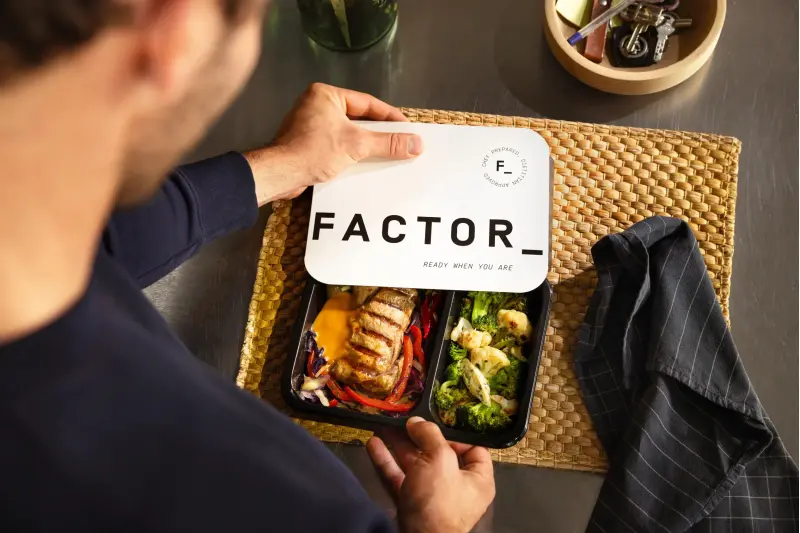
In 2026, healthy living is no longer about chasing perfection. It is about designing systems that quietly support you when motivation dips, schedules tighten, and life refuses to slow down.
Some people track macros. Some wake up at 5:30 for strength training. Others are simply trying to avoid another week of "whatever was in the fridge". Most of us are somewhere in between.
Into that reality steps Factor75.com, the website of Factor, a ready-to-eat meal delivery service that promises fresh, chef-prepared meals aligned with specific nutrition goals. Owned by HelloFresh, Factor occupies a different niche from meal kits: there is no chopping, no measuring, no stovetop choreography. Meals arrive cooked and require only reheating.
The question is not whether it works. The question is whether it fits the way people actually live in 2026.
This article takes a closer look.
The 2026 Context: Why Ready-to-Eat Is Having a Moment
The wellness industry has matured. The loud detox era has quieted. Conversations have shifted toward metabolic health, protein intake, muscle preservation, blood sugar stability, and mental clarity.
At the same time:
- Remote and hybrid work blur boundaries.
- Strength training is mainstream, especially for women.
- AI tools optimize calendars, workouts, and sleep.
- Time feels compressed.
- Food remains the variable that breaks the system.
Even people who care deeply about their health admit that dinner is often where intentions unravel. Meal planning requires time. Grocery shopping requires effort. Cooking requires energy that may not be available at the end of a long day.
Ready-to-eat services like Factor position themselves as infrastructure, not indulgence. The pitch is simple: remove friction, preserve momentum.
What Is Factor75.com?
Factor 75 is the online platform where customers can subscribe to weekly deliveries of fresh, prepared meals. Unlike traditional meal kits that send ingredients and recipes, Factor sends fully cooked meals designed to be reheated in minutes.
The company focuses on:
- High-protein meals
- Calorie-controlled options
- Keto and low-carb variations
- Vegetarian selections
- Add-ons such as smoothies or protein snacks
Meals are refrigerated, not frozen. The emphasis is on freshness and macro transparency.
Each dish lists:
- Calories
- Protein content
- Fat
- Carbohydrates
- Ingredient details
For consumers who care about numbers but do not want to calculate them manually, this clarity is central.
How the Service Works
The process is structured but flexible:
- Choose a meal plan based on preferences.
- Select the number of meals per week.
- Customize individual dishes from the rotating menu.
- Receive a refrigerated delivery.
- Store in the fridge and reheat as needed.
Subscribers can skip weeks, adjust quantities, or cancel. The subscription model reflects a broader shift toward customizable systems rather than rigid contracts.
The average preparation time per meal is around two to three minutes in a microwave. There is no cookware required and minimal cleanup.
In an era where efficiency shapes nearly every domain, this simplicity is part of the appeal.
Nutritional Positioning: Protein Forward, Structured, Transparent
The modern wellness conversation increasingly emphasizes protein intake, especially for adults over 30. Strength training trends and longevity research have amplified interest in muscle preservation and metabolic resilience.
Factor’s menu aligns with that shift.
Many meals provide between 30 and 50 grams of protein. For individuals aiming for consistent daily intake, this removes guesswork.
Other recurring features include:
- Fiber-rich vegetables
- Moderate healthy fats
- Controlled carbohydrate portions
- Sauce-forward flavor profiles
Rather than framing meals as restrictive, Factor positions them as goal-aligned. This reflects a broader movement in nutrition culture: fewer moral labels, more performance metrics.
Taste and Texture: The Practical Test
Prepared meal services often face skepticism around flavor and texture. Refrigerated food can lose vibrancy. Proteins can become rubbery. Vegetables can soften excessively.
In testing, Factor meals generally maintain:
- Structured vegetables with minimal sogginess
- Well-seasoned proteins
- Balanced sauces that reheat evenly
The flavor profile leans toward savory comfort rather than experimental cuisine. Dishes often resemble plated dinner entrées rather than cafeteria trays.
It is not restaurant dining. It is functional quality designed for repeat consumption.
Sustainability in healthy eating often depends on palatability. If food tastes bland, compliance declines. Factor appears aware of this dynamic.
Cost Considerations in 2026
Pricing is a frequent concern.
Factor meals typically cost more than cooking from raw ingredients at home. However, comparisons often overlook hidden variables:
- Time spent planning
- Food waste from unused groceries
- Impulse takeout spending
- Delivery fees from restaurant apps
When compared to consistent takeout or fast casual dining, Factor may fall within a similar range, depending on meal frequency.
For many subscribers, the calculation becomes less about price per ingredient and more about system efficiency.
The Psychology of Decision Fatigue
One underreported benefit of ready-to-eat services is cognitive relief.
Research in behavioral science repeatedly highlights decision fatigue as a barrier to healthy habits. The more choices individuals make throughout the day, the less willpower remains for evening decisions.
By pre-selecting structured meals, subscribers reduce:
- Late-night ordering
- Skipped meals
- Random snacking
- Inconsistent macro intake
In 2026, where digital overload is constant, fewer decisions can feel like a strategic advantage.

Environmental and Packaging Considerations
Sustainability remains a central consumer concern.
Factor ships meals in insulated boxes with individual packaging for each dish. While materials are often recyclable, the model does generate packaging waste compared to home cooking.
However, some consumers argue that reduced grocery waste offsets part of the environmental footprint.
The broader meal delivery industry continues to face scrutiny in this area, and improvements in packaging innovation remain ongoing across competitors.
Who Benefits Most from Factor 75?
Factor appears particularly suited for:
1. Professionals With Limited Time
Individuals balancing demanding careers and fitness routines often struggle to maintain consistent nutrition. A ready-to-eat solution supports structure without adding workload.
2. Fitness-Focused Consumers
Those tracking protein or calories can integrate meals into macro targets with minimal effort.
3. Transitional Phases
Periods of relocation, intense projects, travel recovery, or lifestyle resets often disrupt cooking routines. Factor can serve as temporary scaffolding.
4. Habit Builders
For individuals attempting to replace fast food habits, having a structured alternative reduces friction.
It may be less suitable for:
- Dedicated home cooks who enjoy daily meal preparation
- Large families seeking bulk cooking efficiency
- Consumers prioritizing zero packaging
Comparison With Meal Kits
As part of the HelloFresh ecosystem, Factor differs significantly from traditional meal kits.
Meal kits offer:
- Ingredient control
- Cooking engagement
- Family participation
- Culinary experimentation
Factor75.com offers:
- Speed
- Minimal cleanup
- Immediate consumption
- Predictable macros
The choice reflects lifestyle preference rather than quality hierarchy.
The Broader Ready-to-Eat Market
Factor operates in a competitive landscape that includes other prepared meal services focused on fitness, convenience, and specialty diets.
The differentiation often lies in:
- Ingredient sourcing
- Menu diversity
- Macronutrient transparency
- Brand trust
- Corporate backing
Being linked to HelloFresh provides scale and operational infrastructure, which can influence consistency and logistics.
Healthy Living in 2026: Systems Over Willpower
Perhaps the most relevant lens for evaluating Factor is cultural rather than culinary.
The dominant wellness philosophy today emphasizes:
- Consistency over extremes
- Structured routines
- Data-informed decisions
- Sustainable calorie balance
- Muscle preservation
- Stress reduction
Factor aligns with these principles by embedding structure into daily meals.
It does not promise transformation. It offers stability.
Is Factor a Long-Term Solution?
For some, Factor becomes a foundational tool used multiple days per week indefinitely.
For others, it functions as a temporary support system during:
- Fitness resets
- Career transitions
- Seasonal shifts
- Recovery periods
The flexibility of subscription adjustments supports both use cases.
Final Assessment
Factor75.com reflects a broader shift in how modern consumers approach food. It is not positioned as a luxury. It is positioned as infrastructure.
In a year where productivity tools optimize nearly every corner of life, automating dinner becomes less about convenience and more about maintaining alignment between intention and action.
For individuals seeking consistency without daily culinary commitment, Factor offers a structured solution grounded in transparency and efficiency.
The decision ultimately depends on priorities:
- If cooking is a creative outlet, it may feel unnecessary.
- If nutrition consistency is the goal, it may feel strategic.
In 2026, healthy living often hinges on systems that reduce friction. Factor’s value lies in whether it successfully becomes one of those systems.
The broader conversation about wellness continues to evolve. Services like Factor are part of that evolution, blending convenience with macro awareness and lifestyle alignment.
For many, the question is no longer "Should I cook everything myself?" but rather "What structure helps me stay consistent?"
Factor attempts to answer that question with two minutes and a microwave!