




.jpg_1759869177.3989_9564518c87_fullsize.webp)
.jpg_1758051740.5057_0ad83a0b80_fullsize.webp)


Published Mar 31, 2026
137.137K
The Everything Store of the British Retail Park: A Deep Dive into The Range

Byline: Retail & Lifestyle Desk
The Great British high street may be undergoing a profound and well-documented metamorphosis, but out on the retail parks and across the vast digital expanse of the UK’s e-commerce sector, a completely different kind of evolution is taking place. In an era where consumers are fiercely protective of their disposable income yet relentlessly aspirational in their home styling, value-driven retailers have transitioned from budget afterthoughts to primary lifestyle destinations.
At the absolute vanguard of this movement is The Range.
Known officially by its web domain, therange.co.uk, the brand has quietly but forcefully become a behemoth in the home, garden, and leisure sectors. To simply call it a "shop" feels like a gross understatement. Operating over 280 physical stores across the United Kingdom and boasting a colossal digital footprint, The Range is a modern emporium—a sprawling, seemingly infinite bazaar where one can purchase a velvet Chesterfield sofa, a packet of petunia seeds, a state-of-the-art air fryer, and a kayak, all within the same digital basket.
The Anatomy of a Value Empire
Before we dissect the website's architecture and its sprawling product categories, context is crucial to understanding how this digital giant operates. The Range was not born in a Silicon Valley incubator; its roots are firmly planted in the realities of British working-class commerce.
From Plymouth Market to Digital Behemoth
Founded in 1989 by Chris Dawson, a former market trader, the company started with a profound understanding of a fundamental truth about the British consumer: we love a bargain, but we adamantly do not want our homes to look cheap. Dawson's background in open-air markets instilled a reactive, volume-driven approach to retail that has seamlessly translated into the brand's digital strategy.
Headquartered at Elsie Margaret House in Plymouth, the company (operating under the CDS Group umbrella) has grown exponentially by filling the void left by mid-market department stores like Debenhams and BHS. As traditional retail anchors faltered, The Range expanded, diversifying its inventory to a point of near-dizzying scale.
"
The Range didn't just survive the retail apocalypse; it weaponized the changing consumer landscape, turning value shopping into an aspirational pursuit. — Retail Economics Journal
The "Luxe for Less" Philosophy
This philosophy is the pulsating heartbeat of The Range’s entire operational model. The website is the purest distillation of this ambition. It is a masterclass in cross-merchandising, designed not just for targeted, utilitarian shopping, but for digital browsing. It recreates the modern equivalent of getting "lost in the aisles" on a Sunday afternoon, but from the comfort of a smartphone screen.
In recent years, the company has strategically incorporated other powerhouse names into its ecosystem. The bold acquisition of the Wilko brand and website, alongside strategic partnerships with Iceland, Homebase, and Bathstore, has transformed therange.co.uk into a multi-brand aggregator.
Deconstructing the Bestsellers
To truly understand what the nation is buying, one must undertake a forensic analysis of The Range’s 'Best Sellers' category. This section acts as a real-time, algorithmic barometer of British domestic life, reflecting seasonal anxieties, micro-trends, and macroeconomic realities.
Garden Furniture: The Fifth Room Revolution
Currently, the bestseller metrics tell a story of a nation preparing for the unpredictable British summer while aggressively managing household budgets. The dominating force in the bestseller list is consistently Garden Furniture.
Products like versatile, space-saving rattan patio sets or sleek, modern aluminium pergolas regularly top the charts. This illustrates a permanent post-pandemic reality: the garden remains the "fifth room" of the house. Consumers are heavily investing in outdoor lounging, seeking weather-resistant materials that mimic high-end continental design at a fraction of the cost.
Viral Commerce: "As Seen on Social Media"
The bestsellers are not solely big-ticket, seasonal items. The list is frequently punctuated by viral, social-media-driven products. The Range features a dedicated "As Seen on Social Media" section, proving the brand's agile, fast-fashion approach to homewares.
If a particular fluted highball glass, a specific shade of sage green matte paint, or an LED mushroom lamp goes viral on TikTok or Instagram, it inevitably and rapidly spikes in The Range’s bestseller algorithm. The supply chain is clearly optimized to rush trending aesthetic items to market before the digital conversation moves on.
Seasonal Reactivity & The High-Low Strategy
Seasonal reactivity is another hallmark of the site's top-performing items.
- Summer Peaks: The list is swamped with "Cooling" products—tower fans, portable air conditioning units, and paddling pools.
- Spring Peaks: Dominated by the "Cleaning Event"—bulk buys of branded cleaning supplies, carpet washers, and organizational storage.
- Winter Peaks: Heated throws, weighted blankets, and draft excluders take over.
This highlights a fascinating duality in The Range’s consumer base: they are logging on for the £500 garden sofa, but they are also adding a £2 bottle of specialized pink cleaning paste to the basket. It is this high-low retail strategy that guarantees constant, sticky site traffic.
Room by Room: The Core Pillars
To comprehend the sheer scale of therange.co.uk, we must walk through its primary departments. These are the heavy-lifting, structural pillars holding up the multi-million-pound digital roof.
Furniture & Home Furnishings: The Aspirational Core
This is perhaps the most heavily trafficked vertical on the site. The Furniture department is a sweeping, trend-agnostic catalog.
What is notable here is the aesthetic agility. The Range doesn't dictate a single interior design style; it acts as a mirror to the wider market's fragmented tastes.
- The Glam Aesthetic: Crushed velvet ottoman beds, mirrored bedside tables, and diamante-encrusted lighting.
- Scandi-Minimalism: Pale oak dining tables, matte-black hardware, and neutral linen-look sofas.
- Industrial Chic: Mango wood shelving units with heavy iron piping frames.
The Home Furnishings section is where the aforementioned "luxe for less" ethos truly shines. A vast array of oversized arched mirrors, textured boucle cushions, and woven rugs allows consumers to execute a complete room makeover for under £150. The lighting department alone ranges from basic utilitarian LED multipacks to elaborate, cascading crystal-effect chandeliers and cutting-edge smart home lighting systems.
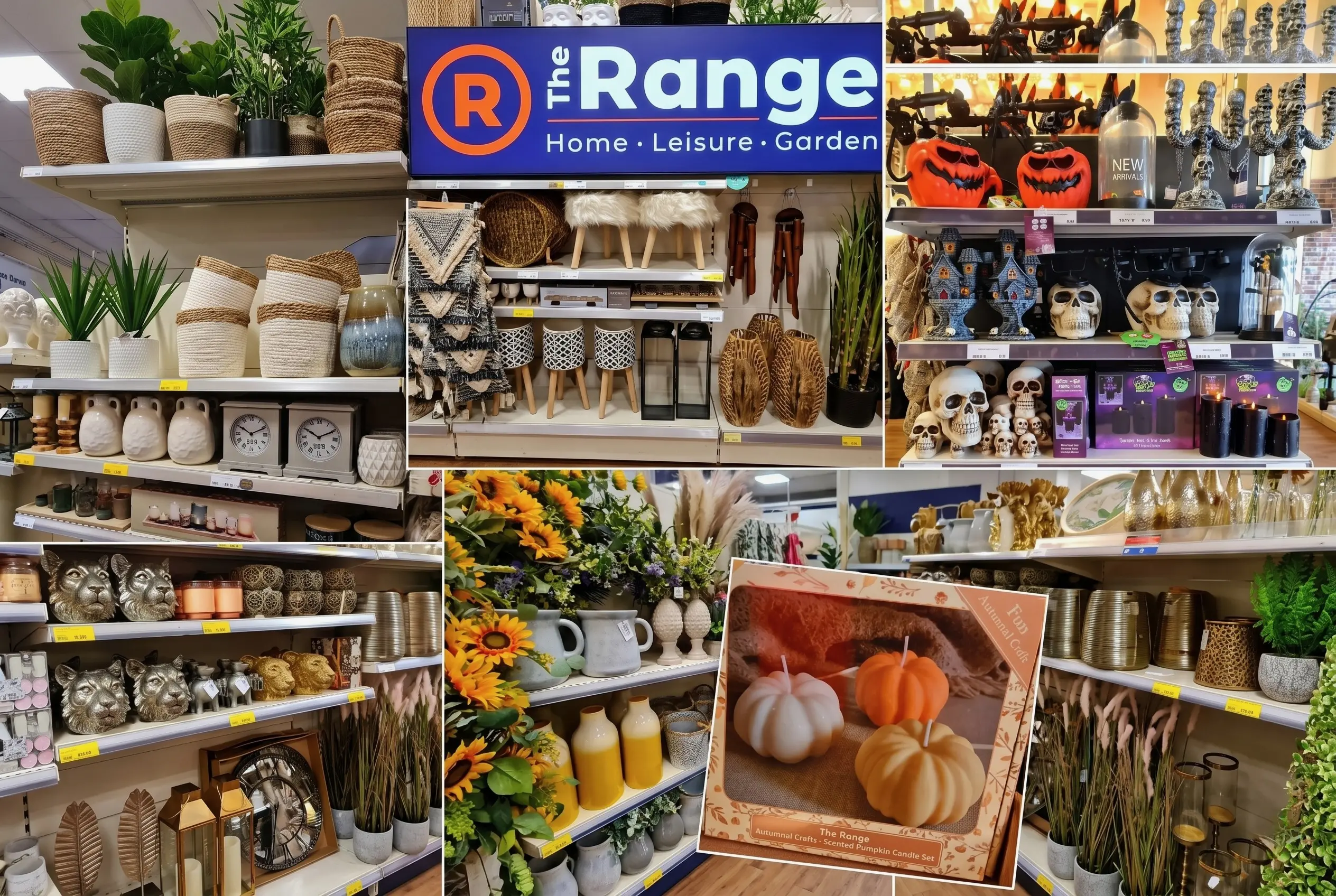
Garden & Outdoor Living: The Botanical Superstore
As previously mentioned in the bestsellers, the Garden department is a titan. But it extends far beyond patio furniture. The Range functions as a fully-fledged, digitally optimized garden centre, challenging the dominance of traditional stalwarts like B&Q and Dobbies.
The Garden Structures category offers everything from basic tool sheds to elaborate wooden summerhouses, heavy-duty steel gazebos, parasols, and awnings. For the active horticulturist, there are seeds, bulbs, propagation tools, landscaping bark, fencing, and petrol lawnmowers.
The Democratization of Luxury: The inclusion of "Pools & Hot Tubs"—featuring everything from basic £15 inflatable paddling pools to £600 rigid-sided, multi-person heated spas—demonstrates how items once reserved for luxury budgets have been democratized and made accessible to the mid-market consumer.
Decorating & DIY: The Home Improver's Arsenal
While specialist DIY stores have traditionally dominated this sector, therange.co.uk has aggressively carved out a massive market share by making DIY less intimidating and more aesthetically driven.
The Decorating department is surprisingly comprehensive. It offers major paint brands (Dulux, Crown, Johnstone's) alongside an exhaustive selection of paste-the-wall wallpaper. Furthermore, it caters to the "rental-friendly" decorating trend with specialized items like peel-and-stick kitchen splashbacks, MDF slat paneling, and sticky-back vinyl for upcycling tired furniture.
The DIY section caters to both the casual weekend decorator and the serious home improver. The integration of smart home security—safety alarms, video doorbells, and CCTV cameras—means a customer can theoretically buy the paint for their hallway and the tech to protect it in a single transaction.
Cooking, Dining & Household: The Engine Room
This section is heavily driven by utility, daily routine, and culinary trends.
The cookware and baking categories are vast, capitalizing on the enduring British obsession with home baking. The Kitchen Appliances sub-category is particularly lucrative. It features the latest must-have countertop gadgets, heavily leaning into the current cost-of-living crisis by promoting energy-efficient cooking methods:
- Dual-basket air fryers.
- Large-capacity slow cookers.
- Soup makers and halogen ovens.
The Household department is where the mundane becomes highly profitable. Ironing boards, laundry baskets, waste bins, and a vast array of vacuums (from basic cylinders to cordless pet-hair specialists) form the backbone of this section.
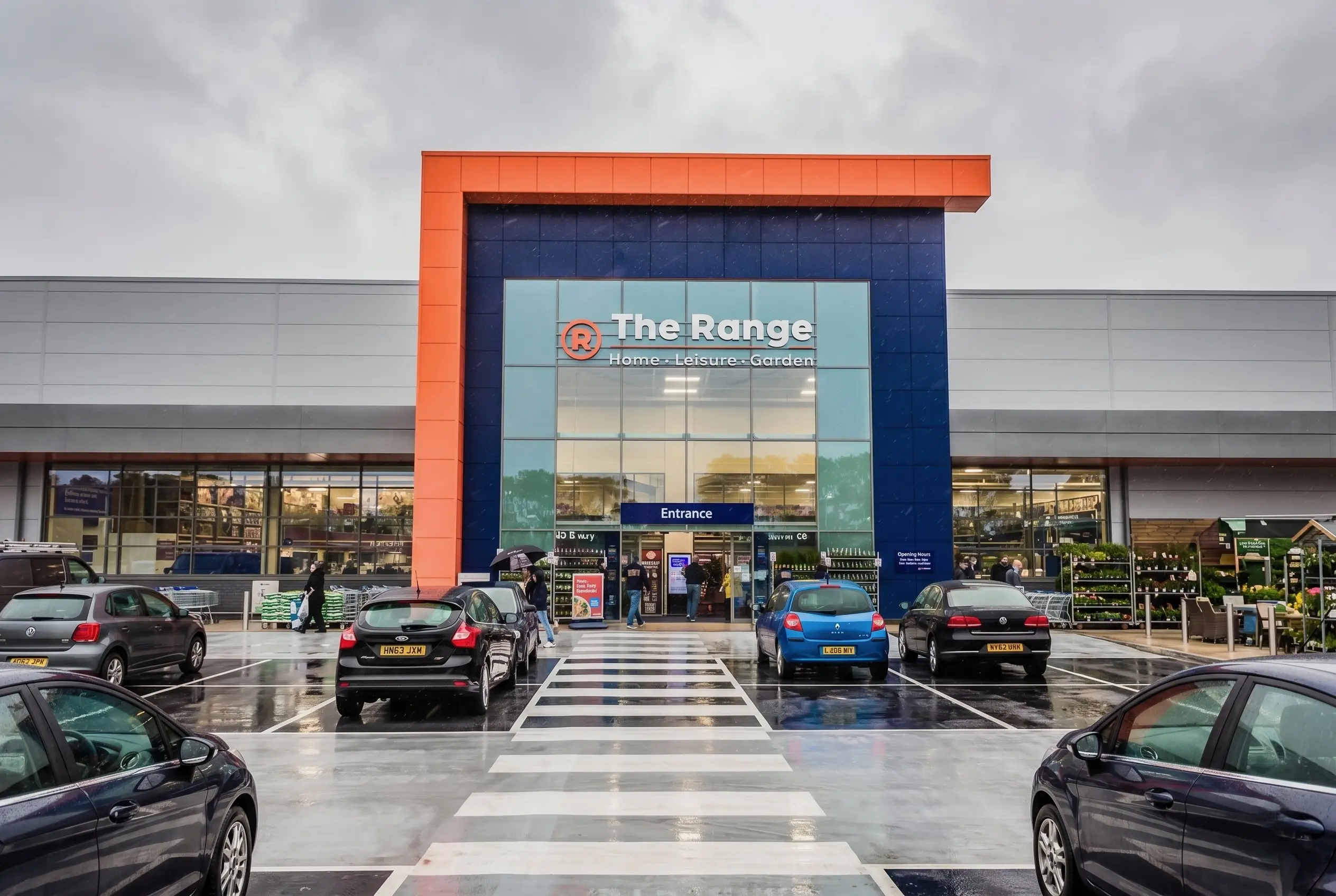
The Unexpected Finds: Peripheral Powerhouses
If the core categories represent the predictable staples of a home goods retailer, the peripheral categories are where therange.co.uk truly differentiates itself from its competitors. It is the sheer, unapologetic variety that keeps the consumer engaged.
The Hobbyist’s Haven: Arts, Crafts & Stationery
One of the most surprising and robust elements of The Range is its dedication to the arts and crafts community. This is not just a few sets of felt-tip pens and some colored sugar paper; it is a serious, well-stocked resource for creators.
It features dedicated sections for:
- Papercraft & Die-Cutting: Specialist machines, cardstock, and embossing folders.
- Fine Art: Professional-grade acrylics, standing easels, and large-scale stretched canvases.
- Haberdashery: Sewing machines, fabric by the metre, and knitting yarns.
During school holidays, this section experiences a massive surge in traffic, heavily promoted via the homepage's dedicated "School Holiday Activities" banners. By catering deeply to the "maker" community, The Range secures a fiercely loyal demographic that traditional furniture retailers completely ignore.
The Leisurely Life: Pets & Sports
Recognizing that Britons spend billions annually on their animals, the site offers far more than just generic dog food. There are specialized categories for reptiles, cold-water fish, wild birds, and small mammals, covering everything from complex aquatic filter setups to memory-foam orthopedic dog beds.
Equally expansive is the Sports & Leisure section. Here, the boundaries of a "home" store are completely shattered. A consumer can purchase 4-man camping tents, inflatable paddleboards, hiking poles, and cycling accessories. There is also a substantial Home Gym Equipment category—a permanent, highly profitable legacy of the pandemic fitness boom.
Tech, Appliances & Beyond
The technology department further blurs the traditional lines of high-street categorization. Selling 4K televisions, home cinema projectors, gaming tablets, and smart home hubs places The Range in direct competition with specialist electrical retailers like Currys.
Even clothing has found a place on the platform, with seasonal wear, kidswear, and basic accessories available. It is this relentless horizontal expansion that defines The Range's digital strategy: if a consumer might reasonably want it to live their life, The Range will find a way to stock it.
Corporate Strategy: Acquisitions and Marketplaces
Looking toward the future, therange.co.uk is actively evolving its backend infrastructure to support an even wider, more dominant array of products.
Swallowing the High Street: The Wilko Factor
In 2023, the British high street lost one of its most beloved staples: Wilko. In a shrewd corporate maneuver, The Range’s parent company purchased the Wilko brand, website, and intellectual property.
The prominent presence of a dedicated "wilko.com" portal within The Range's site captures the orphaned, fiercely loyal customer base of the collapsed retailer. It allows The Range to corner the market on heritage household goods, proprietary cleaning brands, and budget gardening supplies that Wilko was famous for, without having to re-educate the consumer.
The Range Marketplace
Perhaps the most significant shift is the introduction of "The Range Marketplace." This indicates a distinct pivot toward the Amazon or Wayfair platform model.
By allowing approved third-party sellers to list their products directly on The Range, the company drastically increases its SKU (Stock Keeping Unit) count and consumer choice. Crucially, they achieve this massive expansion without the financial risk of buying the stock upfront or the logistical burden of holding the physical inventory in their own distribution centres. It is a high-margin, low-risk strategy that solidifies the site as an "everything store."
The Sustainable Horizon
In modern retail journalism, one cannot ignore a brand's corporate responsibility footprint. Value-focused retailers have historically faced intense, justified scrutiny regarding the environmental impact of fast-moving consumer goods, plastic packaging, and complex, opaque global supply chains.
Acknowledging the shifting ethical demands of the modern consumer, the CDS Group has integrated a "Sustainability Report" and "Modern Slavery Statement" into the site’s architecture. The brand is slowly introducing more sustainable product lines, focusing on FSC-certified timber for its garden furniture and increasing the recycled content in its plastic storage ranges.
While there is still a long way to go to reconcile the "fast homewares" model with strict environmentalism, this public transparency is a necessary evolution to maintain brand trust, particularly as consumer demographics skew younger and more environmentally conscious.
Conclusion: The Ultimate Destination for the Domestic Consumer
To navigate the sprawling, categorization-heavy architecture of The Range is to take a comprehensive, illuminating walking tour through the psyche of the modern British household. It is a brilliant, highly functional digital reflection of our collective desires: to improve our immediate surroundings, entertain our families, indulge our creative hobbies, and spoil our pets—all while keeping a very strict, cautious eye on the bank balance.
The Range has succeeded to this staggering degree because it vehemently refuses to be pigeonholed into a single retail identity.
- It is a luxury furniture showroom.
- It is a muddy, practical garden centre.
- It is a heavy-duty DIY merchant.
- It is an inspiring arts and crafts supplier.
- It is a fast-moving consumer goods discounter.
By mastering the art of the algorithmic 'Bestseller' list, leaning heavily into viral social media trends, and relentlessly expanding its category offerings via third-party marketplaces and strategic brand acquisitions, The Range has gracefully transitioned from a modest West Country market stall into a dominant, unignorable force in European e-commerce. In a retail environment characterized by economic uncertainty, traditional store closures, and increasingly cautious consumer spending, therange.co.uk stands tall as a testament to the undeniable power of variety, aggressive pricing, and logistical excellence. It proves, definitively, that if you offer the consumer absolutely everything they could possibly need to live their life under one digital roof, they will not only visit your website—they will get wonderfully, profitably lost in it.