




.jpg_1759869177.3989_9564518c87_fullsize.webp)
.jpg_1758051740.5057_0ad83a0b80_fullsize.webp)


Published May 19, 2026
20.645K
Whatnot Live Shopping: Why Fashion’s New Product Page is a Live Streamer
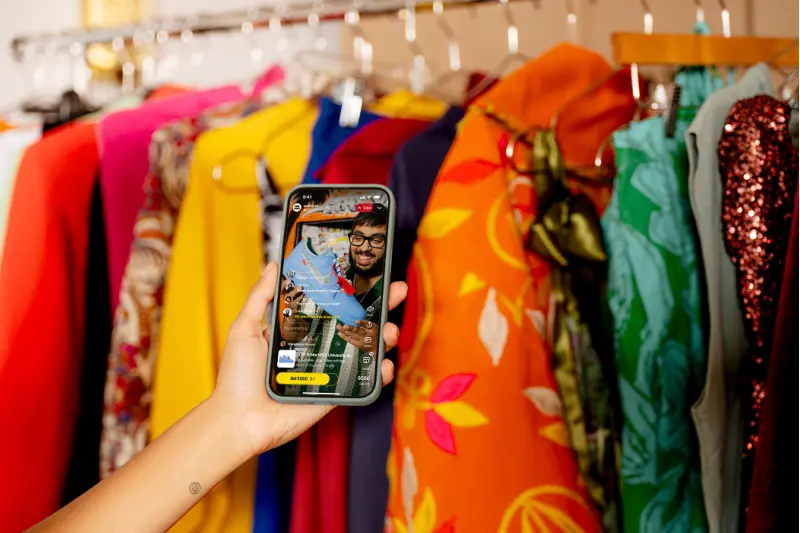
E-commerce has spent the last two decades optimizing the static. We obsessed over load times, A/B tested the exact hex code of the “Add to Cart” button, and refined SEO strategies to ensure a WordPress product page ranked flawlessly on search engines. The entire industry was built on a premise of frictionless, anonymous transactions. But a profound shift is occurring right before our eyes. The flat, static product page is being replaced by a living, breathing person.
Enter Whatnot. The platform, which initially gained fame as a digital haven for Funko Pop and sports card collectors, has morphed into a livestream shopping juggernaut. With over $8 billion in gross merchandise value (GMV) in 2025 alone, the platform has proven that live shopping is no longer a niche Asian market phenomenon or a fleeting pandemic-era experiment. It is the new mainstream.
But the real story isn't just the sheer volume of sales; it's what is selling and how it's being sold. The fastest-growing sectors on Whatnot aren't plastic figurines or encased cardboard. They are lifestyle categories. Women’s fashion surged 223% last year, and beauty skyrocketed by an astounding 791%. Whatnot is actively rewriting the playbook for fashion retail, proving that in an era of infinite scroll, attention is captured not by a polished JPG, but by human connection.
The Death of the Flat JPG
For years, content strategists and e-commerce managers have relied on a familiar formula. You source a product, you shoot it—ideally utilizing a photorealistic aesthetic with high-quality, real-skin textures to convey authenticity—and you upload it to a carefully structured grid. You strip away the background, remove distracting branding, and present the item in a perfect 3:2 or 4:5 ratio. But even the most breathtaking editorial image lacks one critical element: real-time dialogue.
When a shopper looks at a static image of a dress, a handbag, or a pair of shoes, they are left with questions. How does the fabric drape? Is the sizing true? How does it look in motion under normal lighting? In traditional e-commerce, these unanswered questions result in friction, cart abandonment, and ultimately, sky-high return rates. Returns are the silent killer of e-commerce margins, often eating up the profits of otherwise successful campaigns.
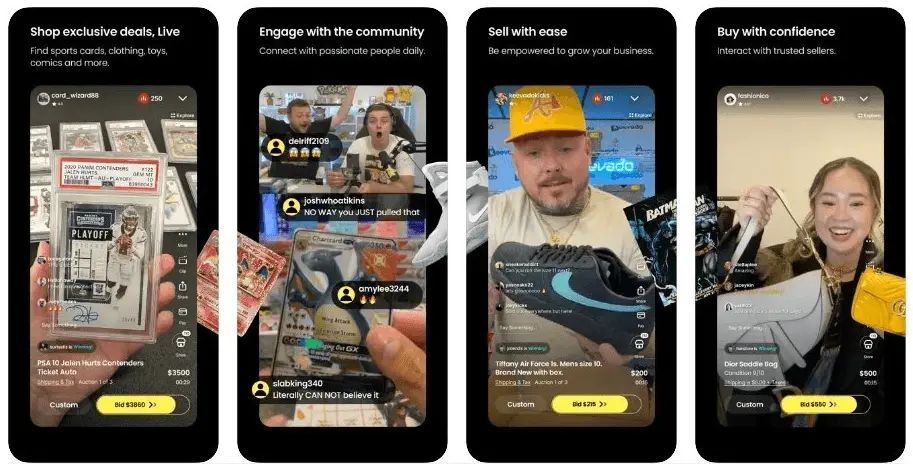
Whatnot obliterates this friction by turning the product page into a two-way dialogue. The host is the product page. If a viewer wants to see the stitching on an inner seam, they simply ask in the chat, and the host holds the item right up to the camera. If they want to know how a garment moves, the host twirls. This interactive, unedited reality builds an immediate layer of trust that no static web page can replicate.
It’s a radical departure from traditional affiliate marketing and publisher onboarding models. In the old world of performance marketing, ensuring compliance across publisher networks was a full-time job—a creator might post an affiliate link in a bio and hope for a click-through to a landing page. Here, the entire funnel is collapsed. The conversion happens in real-time, natively within the app, fueled by the parasocial relationship between the seller and the audience. The host isn't just a conduit to a sale; they are the destination.

Curating the Closet in Real Time
This format is particularly revolutionary for fashion. We are witnessing the rise of the live-stream stylist. Rather than overwhelming consumers with an endless, uncurated catalog of thousands of SKUs, Whatnot sellers act as hyper-specific guides.
Consider the modern consumer's desire for a streamlined, highly functional closet. The concept of the capsule wardrobe—curating a small, intentional collection of versatile, interchangeable items for work, weekends, and travel—is perfectly suited for live commerce. A seller can spend an hour building these capsules live on screen. A viewer doesn't have to visualize how a piece fits into their existing life; the host contextualizes it for them.
You see this dynamic playing out beautifully with specific brand ecosystems. A seller might dedicate an entire stream to comfortable, sustainable footwear, holding up a pair of VIVAIA flats, bending the sole to show the extreme flexibility, and discussing exactly how they hold up during a long city commute or a business trip. They can speak directly to the pain points of the audience, validating the purchase in real-time.
The next day, that same host might pivot to a vintage denim showcase, pulling out a deadstock pair of True Religion jeans. They highlight the signature thick stitching, the heavy hardware, and the precise wash under natural lighting. This isn't just transactional selling; it's deep contextualization. The host explains why the knit of a certain shoe breathes better than leather, or why that specific cut of Y2K-era denim is trending again for weekend wear.
They mix and match these items live, creating seasonal outfit curations that viewers can buy instantly. The buyer isn't just purchasing a physical product; they are purchasing the host's taste, expertise, and styling vision. They are buying into an aesthetic that has been pre-vetted by someone they trust.
The Business Model: Consistency Over Virality
For social media managers and digital entrepreneurs, the algorithmic hamster wheel has long been the enemy. The traditional model dictates chasing viral moments on platforms to drive traffic to a secondary checkout destination. It is exhausting, unpredictable, and ultimately relies on platforms that frequently change the rules.
Whatnot's recent data flips this narrative entirely. On this platform, consistency utterly dominates virality. The algorithm and the community reward the sellers who treat their streams like a premium brick-and-mortar storefront with set business hours. Sellers who go live daily are earning between 100x and 250x more than those who stream sporadically. In the U.S. alone, daily streamers are averaging close to $60,000 in monthly sales.
This operational discipline is shifting the landscape of digital entrepreneurship. We are seeing a massive professionalization of the seller base. Over half of the surveyed sellers on the platform now generate the majority of their annual sales through live commerce, and one in eight Whatnot sellers are operating full-time businesses.
For an e-commerce content strategist, the implications are profound. Instead of spending weeks developing complex, multi-platform social media calendars designed to capture a few seconds of fleeting attention, the strategy shifts to live programming. It's about developing engaging shows, creating themed sales events, and building a reliable broadcasting schedule. It’s the difference between trying to produce a viral thirty-second commercial and running a successful, ongoing television network. The integration of backend tools, like the platform's direct connection with Shopify, means the logistical headaches of inventory management are handled seamlessly, allowing the host to focus entirely on the performance and the community.
The New Frontier of E-Commerce Acquisition
This massive cultural shift has secondary effects that are beginning to ripple through the broader business world, particularly in the highly specialized realm of e-commerce business acquisitions.
Historically, when buyers scoured digital marketplaces like Acquire.com or Flippa for digital assets to add to their portfolios, they looked for established stores or content sites with strong organic traffic, solid profit margins, and predictable ad spend. The standard operating procedure involved signing non-disclosure agreements, reviewing the trailing twelve months of profit margins, and assessing the core value found in the SEO footprint, the email list, and the supplier relationships.
But the rise of live shopping is introducing a completely new class of digital asset. How do you value a business where the primary engine of revenue is a highly engaged, real-time live audience? Investors and serial entrepreneurs are now actively monitoring these community-driven e-commerce models. A business with a loyal following on Whatnot, boasting an 80% month-over-month customer retention rate—a figure virtually unheard of in traditional direct-to-consumer retail—represents an incredibly lucrative acquisition target.
The moat isn't a supply chain; the moat is the community trust and the recurring revenue it generates. While acquiring a personality-driven live stream business presents unique handover challenges (how do you transfer the face of the brand without losing the audience?), the sheer conversion power and retention rates of these channels make them the next major frontier for digital asset acquisitions.
The End of the Anonymous Transaction
The success of Whatnot is not just a story about a new app interface or a novel piece of technology. It is a fundamental rejection of the anonymous, sterile, transactional nature of the modern internet.
For years, we stripped the humanity out of retail in the name of scale and efficiency. We replaced knowledgeable shopkeepers with search bars, and real conversation with automated customer service chatbots. But human beings are inherently social creatures. We want to know the story behind what we are buying. We want an expert to guide us. We want to belong to a community of people who share our tastes, whether that taste leans toward high-end wellness technology and wearables, meticulously sourced vintage denim, or the perfect capsule wardrobe for an upcoming trip abroad.
Whatnot is succeeding because it has reintroduced friction—but the good kind of friction. The friction of authentic conversation, of waiting in anticipation to see what item is pulled next, of bidding against another fan in real-time. It has taken the sterility of the product page and injected it with personality, urgency, and life.
As the platform continues to scale, swallowing larger shares of the beauty and fashion markets, traditional retailers will be forced to adapt. The brands that win the next decade will be the ones that realize a high-quality product is no longer enough. You have to have a voice. You have to have a presence.
Because in the future of e-commerce, the most powerful sales tool isn't a discount code or an optimized landing page. It’s a person, looking into a camera, saying, "You are going to love this."
Whatnot's 2026 Live Shopping Report Analysis.This breakdown highlights the recent sales data and emerging category trends driving the platform's multi-billion dollar growth in lifestyle and fashion sectors.
Frequently Asked Questions About Whatnot Live Shopping
What exactly is Whatnot, and isn't it just for sports cards and collectibles?
While Whatnot built its foundation on niche collectibles like Funko Pops and trading cards, its current trajectory is entirely different. The platform is rapidly becoming a mainstream lifestyle and fashion destination. Recently, women’s fashion saw a 223% surge, and the beauty category skyrocketed by 791%. It has evolved from a hobbyist app into a multi-billion dollar e-commerce powerhouse.
Why is live shopping suddenly outperforming traditional e-commerce websites?
Traditional e-commerce relies on static JPGs and flat product descriptions, leaving buyers guessing about fit, fabric drape, and scale. This guesswork leads to high return rates—the silent killer of retail margins. Live shopping eliminates this friction. The host is the product page, answering questions in real-time, showing how a garment moves, and instantly building a layer of trust that a standard website cannot replicate.
Do I need to go viral on TikTok or Instagram to be successful on Whatnot?
No. In fact, Whatnot’s algorithm and buyer behavior fundamentally reject the viral lottery. The platform rewards operational discipline and consistency over viral moments. Sellers who treat their streams like a premium brick-and-mortar store with set daily hours earn between 100x and 250x more than sporadic streamers. It is about building a reliable network, not a viral thirty-second clip.
How does live commerce change the way fashion is sold?
It replaces the endless scroll of an anonymous catalog with a live, personal stylist. Sellers curate specific aesthetics—like building a travel capsule wardrobe or demonstrating the flexibility of a specific shoe—live on camera. Buyers aren't just purchasing a piece of clothing; they are buying into the host's styling expertise and pre-vetted taste.
How does a live-stream business impact e-commerce acquisitions?
It is creating an entirely new asset class. Historically, digital buyers acquired stores based on SEO footprints and email lists. Now, investors are looking at community trust and retention. A Whatnot business can boast month-over-month customer retention rates up to 80%—a figure virtually unheard of in traditional direct-to-consumer models. While transferring a personality-driven brand presents unique challenges, the recurring revenue moat makes these businesses highly lucrative acquisition targets.
Affiliate Disclosure: This article contains affiliate links to the Whatnot platform. If you click on these links and choose to register or make a purchase, we may earn a referral commission. This commission comes at no additional cost to you and supports the ongoing research and publication of high-quality e-commerce and lifestyle content. All opinions and recommendations remain strictly our own.